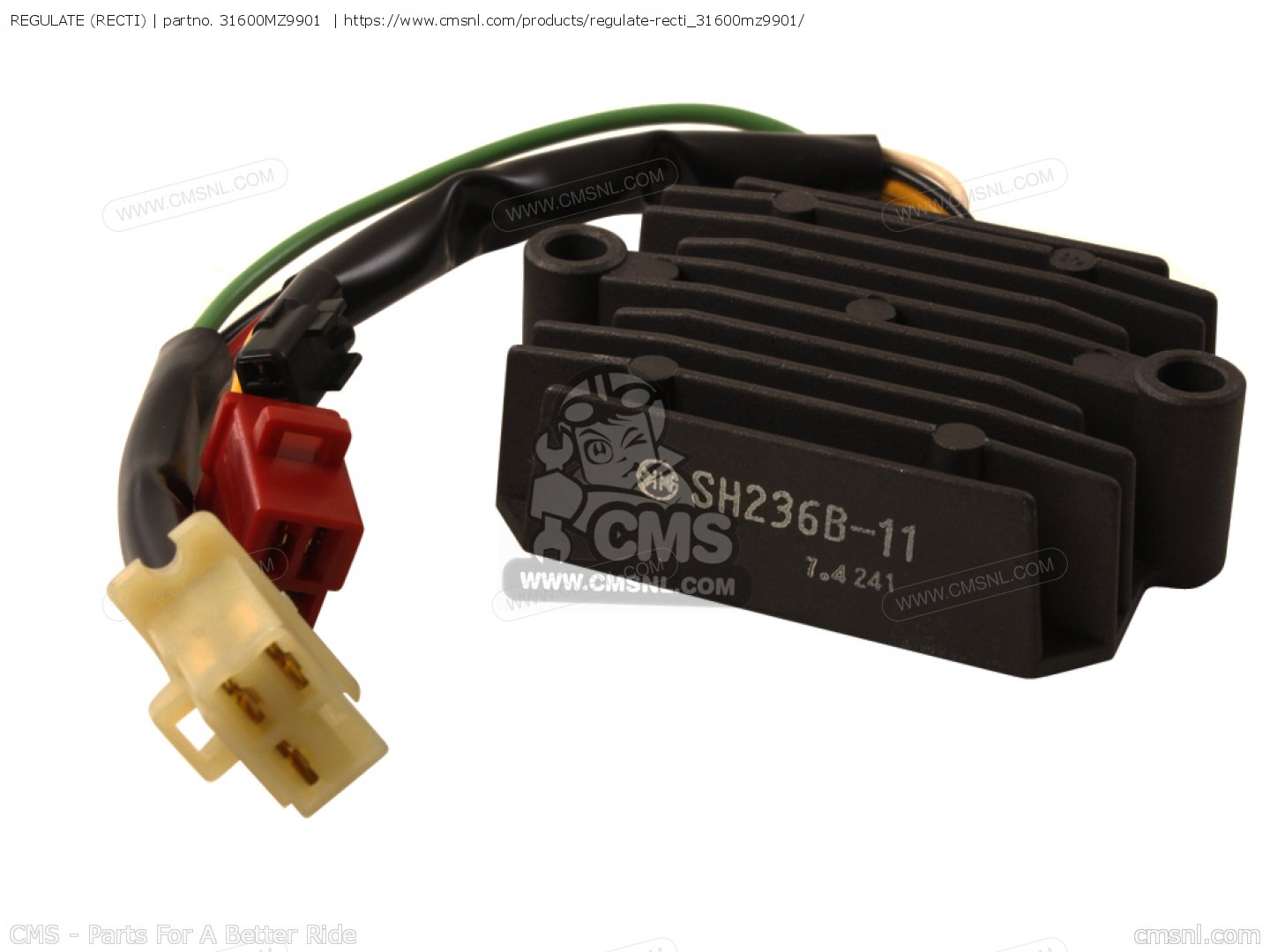
Rectifier

The new rectifier is warm/hot to the touch after running for a couple of minutes--what is normal? I didn't take it out, as I didn't want to blow it up again.

So it looks like a little interneting I did after previous post leads me to believe these things run hot (140-170 degrees), and all the low wattage things I've done actually contribute to the heat generation, since they're not drawing the excess current themselves. Looks like a MOSFET unit rather than a heat shunting unit would solve that problem. Is the internal rectifier in the alternator swap also a heat shunt unit, or can it be changed to a MOSFET type?
 
Is the internal rectifier in the alternator swap also a heat shunt unit, or can it be changed to a MOSFET type?
I wouldn’t worry about the 40 amp unit. I haven’t heard of rectifier failures on these units. The failures tend to be a cracked housing, and of those, a majority in the UK, and one or two in North America.
 
Ok--it's a month later, and while the initial install of the Honda unit did fix the problem, I opted for an updated MOSFET replacement, as everything else checks out within spec, and pulling the whole alternator assembly (which still checks out great) was a heck of a lot more complicated.

This is the unit I went with if anyone's still running with the early alternator:

They've been very responsive to questions. You will need to change the plug (they supply the parts) that's attached to the Honda unit, but otherwise doesn't require any other wiring shenanigans. The unit is a little large for the the original mounting, but I turned it 90 degrees and tapped some new holes through the aluminum mounting plate and added some thermal paste. I'm happy to report that it doesn't get hot, though it hasn't gotten above 60 degrees outside this month, so we'll see how the summer treats it.

It looks like the rubber O rings for the original unit are still available (to stop the minor leak that's there), so maybe I'll take the back of the bike apart to get at that--but before I go to the trouble, is the cover for the alternator (where the O ring resides) merely a cover, or will removing it take the whole assembly off anyway, so I'm forced to reengage the gears and I'm back to just replacing the unit as long as I'm there?
 
The cover has the stator in it. the base with the rotor and split gear can stay in place.

Great--that's what the parts diagram looked like, though there is another O ring in the front section with the rotor, but it looks like that is in the engine case. Thanks for the speedy reply!
 
Another potential leak point is at the back of the alternator, where the wires exit the casing - the rubber sealing can harden over time and crack.
 
For those of you who have replaced the original part, and did so because it was failing, what is the failure point, is it the cover assembly with the stator or something else? If it is the stator, has anyone tried having it rewound?
 
For those of you who have replaced the original part, and did so because it was failing, what is the failure point, is it the cover assembly with the stator or something else? If it is the stator, has anyone tried having it rewound?
Many moons ago (before someone fat-fingered a keyboard, incinerating decades of collective wisdom in the process) there was a picture thread by someone who actually attempted to unearth that 26A stator/winding from its casing with the intent to have it fixed...

First you'd have to Dr.Emel out the resin from that wiring exit, where the enameled stator winding ends lie buried... damaged in the process...
Then the 3 resin spots sealing the bolts, securing the pack of transformer sheets in there... IIRC he drilled the bolts in the end...
The stator pack would then still not release... combination of shrink-fitted, winding wire enamel, resin-glued into that aluminum cup...

It was never considered that their oil-cooled(!) stator might fail... ever... nor that the bikes would be in use for 2~3 decades, allowing the resin to grow brittle...

I'd stubbornly roam eBay and breaker sites for a 40A split gear, adapter plate and alternator + sub harness with mains fuse holder...
 
Back
Top Bottom