ST1300A-My Radiant Heat Shield 🛡️ project for ST

Joined
Oct 20, 2025
Messages
66
Age
56
Location
Singapore
Bike
ST1300
Singapore is all year round 32C (90F) due to its location 1defree off the equator. Summertime may get up to 36C (97F) and wintertime (night) probably around 24C (75F)

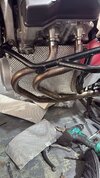
First, when you pop up your engine hood, you see the car headers with a aluminium heat shield over it with an air gap.

Headers Radiant heat are killers, and it is next to the rubber hoses, knock sensor, harness, coolant reservoir plastic tank etc.

Heat will need to escape, let the temperature heat be air cooled per original design but, let’s block away the killer radiant heat……

……and this, my thought process.

Why not just wrap the exhaust headers? We’ll heat still needs to escape somewhere and the headers are the perfect place for engine heat to escape else the heat trapped inside the engine will cause premature seal wear, bearings, alternator, harness etc

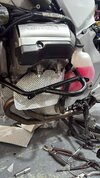
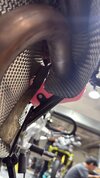
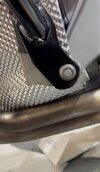
Like to share my successful small project while still retaining airflow and preventing radiant with thermal air gap for air flow cooling

Left side just completed today.

Welcome to the cool side, happy to share some pics of the left side installation completed.
 

Attachments

  • IMG_9204.jpeg
    IMG_9204.jpeg
    336.1 KB · Views: 74
  • 1fc62130-570b-4b57-b750-a5c2bded8e80.jpeg
    1fc62130-570b-4b57-b750-a5c2bded8e80.jpeg
    271.1 KB · Views: 75
  • 152d1d8d-1a09-44c0-baae-4ceca2d049c8.jpeg
    152d1d8d-1a09-44c0-baae-4ceca2d049c8.jpeg
    251.8 KB · Views: 58
  • c0ac71fb-72cd-499d-b43c-ba96605b36ea.jpeg
    c0ac71fb-72cd-499d-b43c-ba96605b36ea.jpeg
    167 KB · Views: 53
  • fe3976cd-3ebb-4d98-b20d-63b666b196ec.jpeg
    fe3976cd-3ebb-4d98-b20d-63b666b196ec.jpeg
    122.5 KB · Views: 53
  • IMG_9268.jpeg
    IMG_9268.jpeg
    143.6 KB · Views: 53
  • IMG_9269.jpeg
    IMG_9269.jpeg
    117.7 KB · Views: 53
  • IMG_9270.jpeg
    IMG_9270.jpeg
    109 KB · Views: 53
  • IMG_9271.jpeg
    IMG_9271.jpeg
    119.1 KB · Views: 52
  • IMG_9273.jpeg
    IMG_9273.jpeg
    135.5 KB · Views: 50
  • IMG_9274.jpeg
    IMG_9274.jpeg
    104.2 KB · Views: 47
  • IMG_9275.jpeg
    IMG_9275.jpeg
    108.1 KB · Views: 48
  • IMG_9276.jpeg
    IMG_9276.jpeg
    106.6 KB · Views: 49
  • IMG_9277.jpeg
    IMG_9277.jpeg
    106.1 KB · Views: 70
Quite a few folks have tried to mitigate the heat thrown off the 1300's engine with varying degrees of success. Headers have been wrapped before, but I'm not aware of any significant reductions in heat. Good luck with your project...keep us informed how it goes.
 
RIght up there with what oil to use, a question as old as time.

 
Last edited:
Why not just wrap the exhaust headers? We’ll heat still needs to escape somewhere
The heat escapes out of the exhaust. No extra heat gets trapped in the exhaust or the engine. It all blows out the back. Wrapping headers is the most efficient way of lowering "underhood" temps. The only downside is that some have reported corrosion due to the wrap holding moisture. If this is a concern, then one would have to take this into consideration. If I was ever concerned with heat, I would wrap the pipes and if I had corrosion concerns, I would consider coating the pipes AND possibly wrapping them. The coating should help with temps as well as providing corrosion protection, but this is an extreme case... just saying. I never had much concern with heat with my ST.
 
Heat's not coming ONLY from the exhaust. The entire engine is conducting/radiating heat away from the combustion chambers. The exhaust is just one exit route that heat takes. The cooling system, the heads, the block, oil, transmission, all of it is trying to shed heat as well. So, it's not a simple problem.

Many before have tried and experimented with wraps and shielding and ducting. Nothing wrong with getting fresh hands/brains on it, and time can yield advances in technology to better insulate the rider. I for one though would like to see more empirical data and not just butt "feels like" temp reports. Before and after data will show what works.

On that note, I also wonder if the excess heat is part of the reason why the early 1300s have ECU failures (the infamous flashing FI light). Curing one could prevent the other. To that I say good luck to you, Mr. Singapore!
 
wonder if the excess heat is part of the reason why the early 1300s have ECU failures

As the black boxes are clear in the back under the taillight molding, there's probably not much heat getting there from up front or below to the point of affecting potted and spec'd components inside the boxes. Just my $0.02 worth without empirical data to show otherwise.

Have been riding with the knock sensor code issue in mine for several years now, just not to the point of triggering it at 4K RPM and resetting it as quickly as possible when I forget I'm still in 4th when merging onto the interstate!

Haven't gotten into heavy troubleshooting after trying several now but I know I have a melted right side knock sensor connector. I'll eventually get to it to see if that or the associated harness fixes it. Still getting high 40s mpg at 69mph so not sure it'll get much better regardless.
 
I admire the enthusiasm and the craftmanship, very impressive, but I wonder about the results.
Blocking the sides of the engine to stop heat from reaching the legs might just push more radiant heat toward the frame and tank. That area, right where the gas tank meets the seat, is already one of the hottest spots on the ST. Wrapping headers can make sense in some cases, but adding insulation or blocking airflow around the engine itself seems counterintuitive. It's not eliminating heat, it's just "blocking" heat arbitrarily, airflow is critical.
I’m genuinely surprised by the amount of time and effort dedicated to the task, but with all my respect, I don't see a solid foundation to support it.
 
Wrapping does help with the heat. I have them wrapped for two years now and very happy with the result.
I have the motor on the bridge now because the weather is to cold.
I can find nowhere bad signs from the wrapping. Cables are fine. Tupperware is also fine.

What you are doing would not help in my opinion.
 
Headers radiate sustained heat

Radiating heat is LOS = Line of sight = straight

So by having exhaust shield, the radiant heat LOS is blocked by the heat shield with Air gap preventing further heat soak while still allowing heat from the exhaust metal to escape gracefully..

CheckoutRadiant Heat Vs Temperature Heat”.

On the ST1300, exhaust headers radiate extreme line-of-sight heat that silently cooks the alternator and engine ancillaries—ceramic coating plus strategic heat shielding is a good consideration and durable fix.

I just went the heat shield route, just like in the cars 😀
 
Quite a few folks have tried to mitigate the heat thrown off the 1300's engine with varying degrees of success. Headers have been wrapped before, but I'm not aware of any significant reductions in heat. Good luck with your project...keep us informed how it goes.

Thank You for your comments. In pursuit of prolonging parts longevity from being prematurely killed by heat.
 
The heat escapes out of the exhaust. No extra heat gets trapped in the exhaust or the engine. It all blows out the back. Wrapping headers is the most efficient way of lowering "underhood" temps. The only downside is that some have reported corrosion due to the wrap holding moisture. If this is a concern, then one would have to take this into consideration. If I was ever concerned with heat, I would wrap the pipes and if I had corrosion concerns, I would consider coating the pipes AND possibly wrapping them. The coating should help with temps as well as providing corrosion protection, but this is an extreme case... just saying. I never had much concern with heat with my ST.

Yes same, I have no concern wit the ST Heat, Just prolonging the engine parts from being damaged by Radiant Heat
 
Heat's not coming ONLY from the exhaust. The entire engine is conducting/radiating heat away from the combustion chambers. The exhaust is just one exit route that heat takes. The cooling system, the heads, the block, oil, transmission, all of it is trying to shed heat as well. So, it's not a simple problem.

Many before have tried and experimented with wraps and shielding and ducting. Nothing wrong with getting fresh hands/brains on it, and time can yield advances in technology to better insulate the rider. I for one though would like to see more empirical data and not just butt "feels like" temp reports. Before and after data will show what works.

On that note, I also wonder if the excess heat is part of the reason why the early 1300s have ECU failures (the infamous flashing FI light). Curing one could prevent the other. To that I say good luck to you, Mr. Singapore!

Yes I agree this project is not for the faint hearted for many reasons
 
Wrapping does help with the heat. I have them wrapped for two years now and very happy with the result.
I have the motor on the bridge now because the weather is to cold.
I can find nowhere bad signs from the wrapping. Cables are fine. Tupperware is also fine.

What you are doing would not help in my opinion.

It’s like saying we don’t need the aluminium heat shield found inside the car engine and should remove it 😀

And ofcourse, you may be right too

The radiant heat have now significantly reduced as putting my hand closer to the exhaust headers with the heat shield there, I can already feel lesser radiant heat as it’s being blocked absorbed by the heat shield
 
I admire the enthusiasm and the craftmanship, very impressive, but I wonder about the results.
Blocking the sides of the engine to stop heat from reaching the legs might just push more radiant heat toward the frame and tank. That area, right where the gas tank meets the seat, is already one of the hottest spots on the ST. Wrapping headers can make sense in some cases, but adding insulation or blocking airflow around the engine itself seems counterintuitive. It's not eliminating heat, it's just "blocking" heat arbitrarily, airflow is critical.
I’m genuinely surprised by the amount of time and effort dedicated to the task, but with all my respect, I don't see a solid foundation to support it.

Checkout the pics again.

There is heat shield between exhaust and the sides of the engine

There is heat shield preventing radiant heat from going upwards

But there is no heat shield towards riders legs or downwards

So the concern is not about feeling the heat, it is more designed to prevent radiant heat from headers back towards the engine and upwards

Back = ok
Down = ok
Up = blocked with air gap
Side towards engine = blocked
 
Heat's not coming ONLY from the exhaust. The entire engine is conducting/radiating heat away from the combustion chambers. The exhaust is just one exit route that heat takes. The cooling system, the heads, the block, oil, transmission, all of it is trying to shed heat as well. So, it's not a simple problem.

Many before have tried and experimented with wraps and shielding and ducting. Nothing wrong with getting fresh hands/brains on it, and time can yield advances in technology to better insulate the rider. I for one though would like to see more empirical data and not just butt "feels like" temp reports. Before and after data will show what works.

On that note, I also wonder if the excess heat is part of the reason why the early 1300s have ECU failures (the infamous flashing FI light). Curing one could prevent the other. To that I say good luck to you, Mr. Singapore!
 
I am also entering this soriee and performing such mods. I agree with need of impirical data, to that end there is a good YouTube with data, if one hasn’t seen it: Honda ST1300 PanEuropean Heat Reduction by Rod Rides & Wrenches
I noted the heat on my right ankle(not left) and can tell that’s going to be an issue here in summer. I think I understand the physics of how this bike creates heat and I think the greatest offender is lack of air flow. It makes sense that wrapping the header pipes especially in areas where the footrest is, would help the foot area. Obviously the solution would be a combination of efforts and not a single one.
Having said that I think the first thing to do is understand why the exhaust needs to be extra hot in this case and it does for emissions sake and we know this as a catalytic converter needs to be at least 500 or so degrees (f) to start the chemical reaction to clean the air and that is what the pair valve is for. At idle it directs air into the header pipes which help burn unspent fuel being exhausted, which heats up the cats to working temps. That’s why stock pipe are tanned at the start of the tubes - it gets hot, on purpose, at idle, in traffic with no wind. So first, make the engine breathe better; clean air filter, remove the stupid velocity stacks that are over engineered and actually slowing air intake flow. Nuke the pair valve and dump the stock mufflers that have cats, get some aftermarket slip ons and the bike will run better, loose weight and will run cooler, then wrap the pipes and I imagine the hot foot maybe okay at that point. I am going to try double wrapping the collector area better, other than that I think it becomes air flow improving and I have my ideas for that, think like brake air duct pieces and try to direct or redirect flow. But thats another post that I will share when it’s my time
Anyways, yeah I love the ST, well bikes, cars, boats anything with a motor that can be Tim Allen’ed! don’t get me started, I can do this all day.
 
Last edited:
I have delete the pair valves last week. I have stock mufflers. We do not have emession test here. I can put aftermarket mufflers on, but i can not drive outside the Netherlands with aftermarket mufflers. So that is not an option.
I also mounted a Bazzaz piggybag system.

Very curious what the result is on the Road.
 
The heat escapes out of the exhaust. No extra heat gets trapped in the exhaust or the engine. It all blows out the back. Wrapping headers is the most efficient way of lowering "underhood" temps. The only downside is that some have reported corrosion due to the wrap holding moisture. If this is a concern, then one would have to take this into consideration. If I was ever concerned with heat, I would wrap the pipes and if I had corrosion concerns, I would consider coating the pipes AND possibly wrapping them. The coating should help with temps as well as providing corrosion protection, but this is an extreme case... just saying. I never had much concern with heat with my ST.
You may want to use an IR gun and take some readings of pipes wrapped, versus pipes not wrapped.
It may read good on paper, but the temps are always higher with wrapped headers.
 
Back
Top Bottom