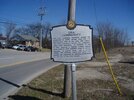
(S)outh Carthage
 South Carthage’s history is closely tied to the development of Smith County and the rise of nearby Carthage as a river‑based trade center.
 While South Carthage is smaller and less documented than Carthage, its story follows the region’s early settlement, river commerce, and transportation growth. Below is a clear, sourced overview of the historical context that shaped South Carthage.
 Early Settlement & Regional Origins
South Carthage sits directly across the Cumberland River from Carthage, the
Smith County seat founded in 1804. Carthage itself grew around land settled by
Revolutionary War Captain William Walton, who arrived in the late 1780s and established a ferry, tavern, and the important
Walton Road, a major migration and stagecoach route across Middle Tennessee.
Smith County was officially formed in
1799, carved from Sumner County and lands reserved for Revolutionary War land grants. Early settlers were largely of
Scots‑Irish, English, and German descent, building farms, mills, churches, and schools along the county’s rivers and creeks.
Although South Carthage was not separately incorporated until much later, it developed as part of this same early settlement pattern along the Cumberland River.
 19th‑Century Growth: River Commerce & Transportation
Carthage became a major
steamboat port in the first half of the 1800s, earning the nickname
“River City.” Its strategic location at the confluence of the Cumberland and Caney Fork Rivers made it a shipping hub for goods moving through Middle Tennessee.
South Carthage, positioned directly across the river, naturally grew as a supporting community tied to this river economy. The two towns were connected by ferry service before bridges were built.
The region’s importance continued with the arrival of the
Nashville & Knoxville Railroad in 1888, which followed the old Walton Road and strengthened Carthage’s—and by extension South Carthage’s—role as a transportation point.
 Civil War Era
During the Civil War, Carthage served as a
major Federal military post in the Upper Cumberland region. Its occupation and strategic value affected the entire surrounding area, including what is now South Carthage.
 20th Century to Present
South Carthage eventually incorporated as its own municipality (modern census records begin listing it separately by 1970). Its growth has remained modest, with population increasing from
859 in 1970 to
1,490 in 2020.
Today, South Carthage is a small residential town connected to Carthage by two bridges—the
Cordell Hull Bridge and the
Veterans Memorial Bridge—reflecting its long‑standing relationship with the river and regional transportation routes.
https://www.townofcarthagetn.gov/history?utm_source=copilot.com