


There are mountain towns that reward riders with views, and then there are mountain towns that reward them with recovery. Hot Springs, North Carolina, manages to do both, and that combination is exactly what makes it one of the most distinctive motorcycle stops in the southern Appalachians.
Where the French Broad River meets Spring Creek, Hot Springs sits in a tight Blue Ridge valley that feels carved for two-wheel travel. It’s not just the scenery that pulls riders in, it’s what’s underneath it. Literally. This is the only known natural hot spring in North Carolina and one of the few in the entire Southeast, with mineral water surfacing at a steady 108 degrees year-round.
For motorcyclists, that changes the rhythm of a ride. You don’t just pass through Hot Springs – you stop, you decompress, and you let the day soak out of you.
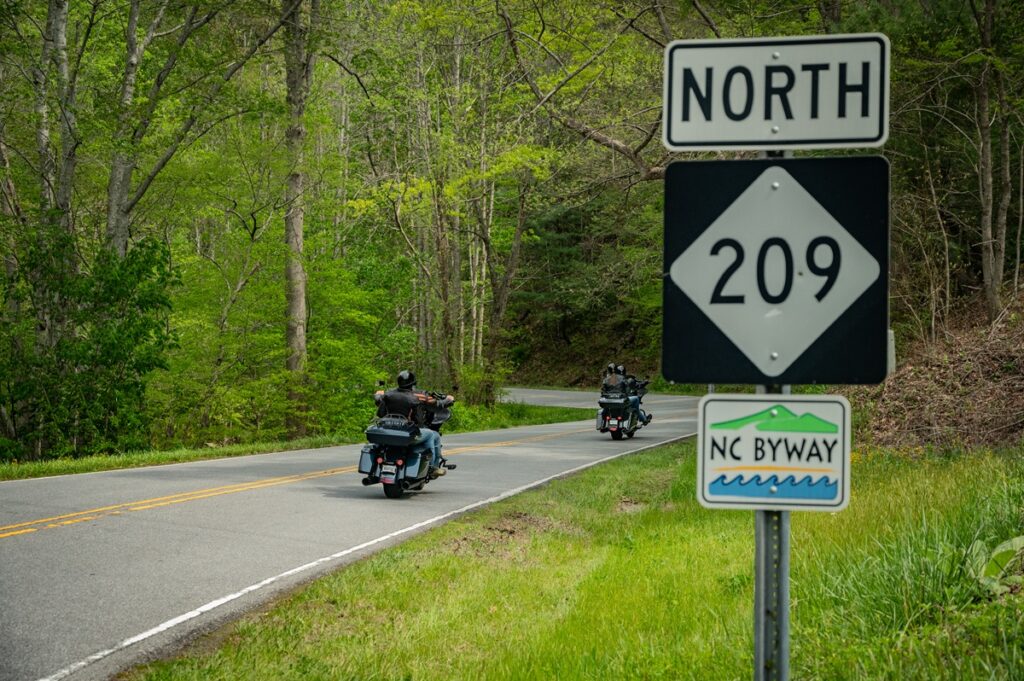
The roads leading in are part of the experience. From the east, riders arrive via twisty Appalachian connectors that funnel into the valley like tributaries. From the west, the terrain tightens and climbs before dropping you into town with a sense of arrival that feels earned rather than scheduled.
Hot Springs itself is compact, historic, and deeply tied to both tourism and thermal water. The downtown core sits close enough to the river that you can hear it in places, with old storefronts and lodging that reflect decades of riders, Appalachian Trail hikers, and travelers passing through.
The riding around town is where things open up. Within minutes, you can be on some of the most engaging pavement in western North Carolina. The region is defined by tight elevation changes, constant direction shifts, and a kind of natural flow that forces riders to stay connected to the machine.
The hot springs themselves are the centerpiece. Soaking in naturally heated mineral water after a long day in the saddle creates a contrast that’s hard to replicate elsewhere in the region. Cold air on the way in, warm water on the way out – it turns the town into a recovery loop as much as a riding destination.
Around that core experience, the town stretches into history and recreation. The Appalachian Trail passes directly through Hot Springs, bringing through-hikers and motorcyclists into the same small streets. Forest roads nearby climb toward fire towers, ridge overlooks, and dense sections of Pisgah National Forest where the road surface alternates between smooth sweepers and tighter, more technical asphalt.
In the evenings, riders gather at roadside inns, local diners, and porches that look out over the river valley. Conversations tend to drift in the same direction: what road you took in, what conditions you found, and where you’re headed next.
Location: Hot Springs, North Carolina
Distance: Hub riding from 30 to 300+ mile loop options
Ride Time: Half-day to full-day rides (2-8+ hours saddle time)
Best Direction to Ride: All directions
Skill Level: Intermediate to advanced
Best Bike Type: ADV, sport-touring, dual-sport, cruiser, sport
Click to view the routes on REVER:
The Rattler NC-209
Blue Ridge Parkway South
Hot Springs Northeast Loop
Click here to download the GPS files
Roads around Hot Springs are classic Appalachian riding – tight, technical, and constantly changing. Pavement quality varies from smooth, recently resurfaced stretches to older asphalt with patchwork repairs and occasional rough edges. State Route 209, known as The Rattler, is the signature route, delivering continuous curves and elevation shifts over its 36-mile span. Riders should expect blind corners, decreasing-radius turns, gravel deposits after rain, and leaf buildup in shaded sections. Traffic is generally light during weekdays but increases on weekends and during peak foliage season. Wildlife crossings are common, particularly in early morning and evening hours. Some nearby routes include unpaved or mixed-surface sections, so awareness of surface changes is essential when exploring beyond the main corridors.
Late spring through mid-fall is the prime riding window for Hot Springs. Spring brings cool mornings, fresh mountain growth, and ideal temperatures for both riding and soaking in the hot springs. Summer offers lush green scenery but can introduce humidity and afternoon thunderstorms typical of the Blue Ridge. Fall is the most visually dramatic season, with peak foliage drawing heavy visitor traffic across the region, especially on weekends along major mountain routes. Winter is quieter but less predictable, with occasional cold snaps and reduced accessibility in higher elevations. Cell service can be inconsistent in surrounding valleys and forest corridors. Riders should plan for layered gear year-round, with rain protection essential due to rapidly shifting mountain weather patterns.
Hot Springs keeps its food scene simple, hearty, and deeply Appalachian. Expect Southern comfort cooking – biscuits, gravy, fried staples, and slow-cooked meats that fit perfectly after a long day on technical mountain roads. Burgers, steaks, and pub-style fare are common in town restaurants, with a focus on straightforward, satisfying meals rather than culinary experimentation.
Lodging in Hot Springs leans heavily toward small inns, cabins, and rider-friendly motels integrated into the compact downtown layout. Many accommodations offer easy motorcycle parking and ground-level access, making gear handling simple after a long ride. Historic buildings have been repurposed into inns and rentals, giving the town a slightly vintage feel that fits its long travel history. Just outside town, cabin rentals provide more privacy and often include river views or forest access, ideal for riders looking to disconnect after a full day in the saddle. Camping is also available in nearby national forest areas, offering a more rugged option for dual-sport and ADV travelers. Most lodging sits within walking distance or a short ride of food, fuel, and the hot spring facilities.
Hot Springs is best understood as the center of a riding web rather than a single destination. To the west, routes connect toward the Tennessee border and deeper Appalachian backroads that link into the Great Smoky Mountains network. To the east, tighter forest routes and portions of State Route 197 introduce more technical riding, including mixed-surface sections for dual-sport riders. The Blue Ridge Parkway lies within reach for longer, scenic extensions, offering a contrasting rhythm of wide sweepers and elevated overlooks. Riders looking to expand their loop can easily connect Hot Springs with other western North Carolina hubs like Maggie Valley or Asheville-area routes.
The post Hot Springs, North Carolina—Blue Ridge Motorcycle Mountain Loop Hub appeared first on Rider Magazine.
Continue reading...
Where the French Broad River meets Spring Creek, Hot Springs sits in a tight Blue Ridge valley that feels carved for two-wheel travel. It’s not just the scenery that pulls riders in, it’s what’s underneath it. Literally. This is the only known natural hot spring in North Carolina and one of the few in the entire Southeast, with mineral water surfacing at a steady 108 degrees year-round.
For motorcyclists, that changes the rhythm of a ride. You don’t just pass through Hot Springs – you stop, you decompress, and you let the day soak out of you.
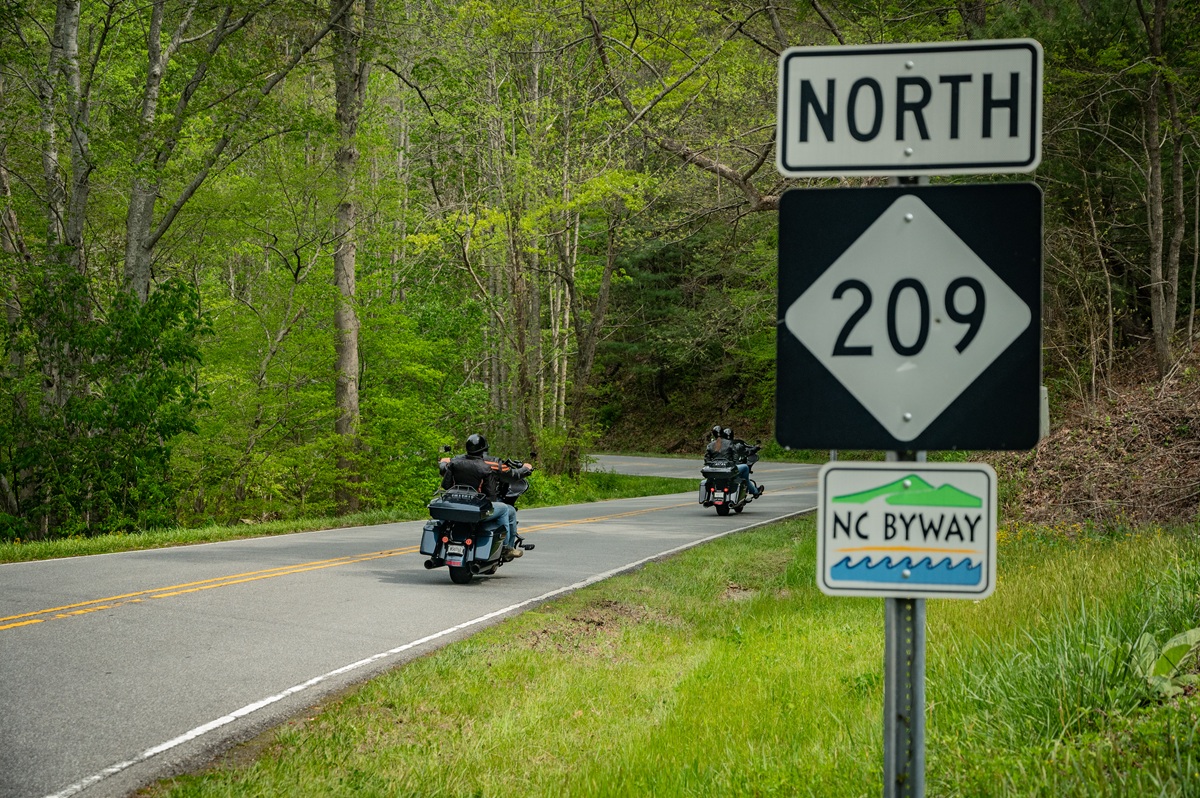
The roads leading in are part of the experience. From the east, riders arrive via twisty Appalachian connectors that funnel into the valley like tributaries. From the west, the terrain tightens and climbs before dropping you into town with a sense of arrival that feels earned rather than scheduled.
Hot Springs itself is compact, historic, and deeply tied to both tourism and thermal water. The downtown core sits close enough to the river that you can hear it in places, with old storefronts and lodging that reflect decades of riders, Appalachian Trail hikers, and travelers passing through.
The riding around town is where things open up. Within minutes, you can be on some of the most engaging pavement in western North Carolina. The region is defined by tight elevation changes, constant direction shifts, and a kind of natural flow that forces riders to stay connected to the machine.
The hot springs themselves are the centerpiece. Soaking in naturally heated mineral water after a long day in the saddle creates a contrast that’s hard to replicate elsewhere in the region. Cold air on the way in, warm water on the way out – it turns the town into a recovery loop as much as a riding destination.
Around that core experience, the town stretches into history and recreation. The Appalachian Trail passes directly through Hot Springs, bringing through-hikers and motorcyclists into the same small streets. Forest roads nearby climb toward fire towers, ridge overlooks, and dense sections of Pisgah National Forest where the road surface alternates between smooth sweepers and tighter, more technical asphalt.
In the evenings, riders gather at roadside inns, local diners, and porches that look out over the river valley. Conversations tend to drift in the same direction: what road you took in, what conditions you found, and where you’re headed next.
Travel Resources
At a Glance
Location: Hot Springs, North Carolina
Distance: Hub riding from 30 to 300+ mile loop options
Ride Time: Half-day to full-day rides (2-8+ hours saddle time)
Best Direction to Ride: All directions
Skill Level: Intermediate to advanced
Best Bike Type: ADV, sport-touring, dual-sport, cruiser, sport
Maps & Routes
Click to view the routes on REVER:
The Rattler NC-209
Blue Ridge Parkway South
Hot Springs Northeast Loop
Click here to download the GPS files
Road Conditions
Roads around Hot Springs are classic Appalachian riding – tight, technical, and constantly changing. Pavement quality varies from smooth, recently resurfaced stretches to older asphalt with patchwork repairs and occasional rough edges. State Route 209, known as The Rattler, is the signature route, delivering continuous curves and elevation shifts over its 36-mile span. Riders should expect blind corners, decreasing-radius turns, gravel deposits after rain, and leaf buildup in shaded sections. Traffic is generally light during weekdays but increases on weekends and during peak foliage season. Wildlife crossings are common, particularly in early morning and evening hours. Some nearby routes include unpaved or mixed-surface sections, so awareness of surface changes is essential when exploring beyond the main corridors.
Best Time to Travel
Late spring through mid-fall is the prime riding window for Hot Springs. Spring brings cool mornings, fresh mountain growth, and ideal temperatures for both riding and soaking in the hot springs. Summer offers lush green scenery but can introduce humidity and afternoon thunderstorms typical of the Blue Ridge. Fall is the most visually dramatic season, with peak foliage drawing heavy visitor traffic across the region, especially on weekends along major mountain routes. Winter is quieter but less predictable, with occasional cold snaps and reduced accessibility in higher elevations. Cell service can be inconsistent in surrounding valleys and forest corridors. Riders should plan for layered gear year-round, with rain protection essential due to rapidly shifting mountain weather patterns.
Road Food
Hot Springs keeps its food scene simple, hearty, and deeply Appalachian. Expect Southern comfort cooking – biscuits, gravy, fried staples, and slow-cooked meats that fit perfectly after a long day on technical mountain roads. Burgers, steaks, and pub-style fare are common in town restaurants, with a focus on straightforward, satisfying meals rather than culinary experimentation.
Nearby Lodging
Lodging in Hot Springs leans heavily toward small inns, cabins, and rider-friendly motels integrated into the compact downtown layout. Many accommodations offer easy motorcycle parking and ground-level access, making gear handling simple after a long ride. Historic buildings have been repurposed into inns and rentals, giving the town a slightly vintage feel that fits its long travel history. Just outside town, cabin rentals provide more privacy and often include river views or forest access, ideal for riders looking to disconnect after a full day in the saddle. Camping is also available in nearby national forest areas, offering a more rugged option for dual-sport and ADV travelers. Most lodging sits within walking distance or a short ride of food, fuel, and the hot spring facilities.
Points of Interest
- Hot Springs Resort and Spa (natural mineral soaking tubs)
- The Rattler (SR-209 motorcycle route)
- Appalachian Trail town crossing
- Pisgah National Forest access roads
- French Broad River recreation areas
- Fire tower loop routes (regional overlooks)
- Hot Springs Historic District architecture
- Local motorcycle gathering points and seasonal rider events
If You Have More Time
Hot Springs is best understood as the center of a riding web rather than a single destination. To the west, routes connect toward the Tennessee border and deeper Appalachian backroads that link into the Great Smoky Mountains network. To the east, tighter forest routes and portions of State Route 197 introduce more technical riding, including mixed-surface sections for dual-sport riders. The Blue Ridge Parkway lies within reach for longer, scenic extensions, offering a contrasting rhythm of wide sweepers and elevated overlooks. Riders looking to expand their loop can easily connect Hot Springs with other western North Carolina hubs like Maggie Valley or Asheville-area routes.
Resources
The post Hot Springs, North Carolina—Blue Ridge Motorcycle Mountain Loop Hub appeared first on Rider Magazine.
Continue reading...