
Andrew Shadow
Site Supporter
I'm not sure if it is one of the greatest but I sure have appreciated it being there on many occasions while traveling in heavy fog.



Reading you loud and clear...I wish there were a paint to keep lines from disappearing in the rain. I know about the refractive beads etc but the lines are still hard to see in the wet.



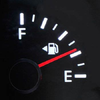
I'm curious about the arrow that reminds the driver on which side is the filler door. I've never seen it or even heard of it before now.

Nah, they won't do that over here over risk of water ingress thus frost damage... (and dare if a push-biker would trip on them... he might sue the community...
)
I'm not sure if it is one of the greatest but I sure have appreciated it being there on many occasions while traveling in heavy fog.
Except that the newer environmentally friendly road paints are doing a fine job scuttling that technology. This technology only works if the vehicles sensors can follow the lines. In Montreal I don't remember the lines painted on the roads having ever been in worse shape. They are not, or almost not, visible all over the place. The person from the city of Montreal roads department who is responsible for painting the road lines was on the radio a little while ago. He explained that the newer environmentally paints that they are using now have created several hurdles. Firstly they are not as durable as the old paint and wear off more quickly. Secondly they take longer to apply than the older paint types. Thirdly they have a much smaller window during which they can apply them. Both the temperature and the humidity ranges that they must be applied under is much narrower and restrictive. All of this adds up to the lines must be repainted more often, takes longer to do, and because there is a much smaller window available under which they can be applied less gets painted before winter settles in again. The result is that the city is finding it impossible to keep up with the need.Now, most cars that have a lane retention system, use the onboard camera to keep you between the "mustard & the mayo".
Which proofs that all those features, bells'n'whistles, extras, technology lacks one essential thing... common sense...Except that the newer environmentally friendly road paints are doing a fine job scuttling that technology.
Over here one would rather suspect the lobby of "road marking corporations" behind...The person from the city of Montreal roads department who is responsible for painting the road lines was on the radio a little while ago. He explained that the newer environmentally paints that they are using now have created several hurdles. Firstly they are not as durable as the old paint and wear off more quickly. Secondly they take longer to apply than the older paint types. Thirdly they have a much smaller window during which they can apply them. Both the temperature and the humidity ranges that they must be applied under is much narrower and restrictive. All of this adds up to the lines must be repainted more often, takes longer to do, and because there is a much smaller window available under which they can be applied less gets painted before winter settles in again.
 )...
)...

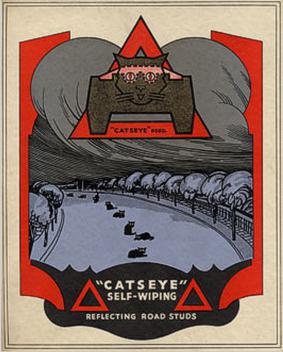
I suspect that the ones that stand proud of the road surface will not survive the first outing of the snow plows. The ones that are recessed I would think are pretty useless when they are covered with snow, ice, and the dark dense slurry that results from mixing all that with road salt. At least the painted lines, when the paint is present, are visible after the snow crews have done their thing. I have never seen the reflectors used anywhere up here in our winter climate. There must be a reason for that. I have to wonder if that is because they won't survive or be of much use.Lane reflectors solve paint fading problems. Vegas uses them heavily. Not sure how lane departure systems are affected . They take a bit to get used to.
This is new territory for me, what exactly is the difference between environmentally friendly and unfriendly road paints? I'm guessing its lower VOCs or something while the paint is drying. Then since the paint lasts 1/3rd as long they have to re-apply it three times as often, negating the original benefit of the lower VOCs. And that's assuming that the VOCs in the unfriendly paints actually have any noticeable effect on anything.Except that the newer environmentally friendly road paints

As someone who rents cars for work reasonably often, I've known about this for decades. However, knowing which side to pull up at the pump, and being able to open the flap/cap are two different operations...the last Hyundai that I rented tested my ingenuity so severely that I even had to look in the manual (and couldn't find an answer there either). IIRC, the ignition key had to be removed from the key switch before the fuel flap would open.
On place I see (presumed) knowledge of which side the filler door is on is at the Costco pumps. I constantly have to navigate morons who pull to the pump with the door on the opposite side of the vehicle.As someone who rents cars for work reasonably often, I've known about this for decades.

the Costco hoses are long enough to reach across most vehicles, so they're at least proactive in not requiring people to use a particular lane based on which side their cap happens to be located.On place I see (presumed) knowledge of which side the filler door is on is at the Costco pumps. I constantly have to navigate morons who pull to the pump with the door on the opposite side of the vehicle.
These two stations have lots of lanes and one has surprisingly less traffic at them. Yet there are all sorft of these geniuses parked over the outside like of the lane standing in the lane blocking the path of passing cars.
Maybe they rented the car. Maybe the borrowed the car. Maybe they don't have the common sense that technology (</>) afforded them. LOL But at least they saved 30s wait for an appropriate spot to open.
I'm gonna need a louder horn. Or Costco could have shorter hoses.
I don't know what the difference is. He either didn't say or I don't remember. I do remember thinking that having all of those trucks burning a lot more fuel having to return to the same place more often, along with all the line painting equipment burning more fuel, negates any environmental benefit.This is new territory for me, what exactly is the difference between environmentally friendly and unfriendly road paints? I'm guessing its lower VOCs or something while the paint is drying. Then since the paint lasts 1/3rd as long they have to re-apply it three times as often, negating the original benefit of the lower VOCs. And that's assuming that the VOCs in the unfriendly paints actually have any noticeable effect on anything.
I like to think I'm in favor of things that are better for the environment, but the problem is the stuff I see is dictated by a bunch of PhDs who know one thing really, really well, but have no common sense.

