• A to Z Rules
      Start with a City beginning with A
    1. This is BY STATE
    2. Similar to the Tag contest, there will be one thread per state
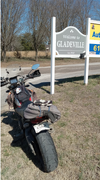
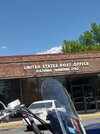
    3. Post a picture of your bike AND some sign, building etc which clearly shows the city/state you're in
    4. The next person posts from a city with the name beginning with B, then C, D, etc
    5. You can't posts back-to-back pics, you have to wait for a person to post the next city
    6. Once Z is reached, the game starts over with A
    7. If your state doesn't have a city beginning with the next letter in sequence, it's okay to skip that letter
    8. If the location sits for more than one month, the person that posted that is open to move it to the next letter.Previously Rule 8
    9. For some States there are tough letters to find such as Q, W, X, Y, Z - in those cases it is acceptable to find anything with those letters in the name to keep the game moving.

    The World Wide game is a bit different as it is by whatever is considered a geographic type of regional category, state/province/village etc. and all those will be in the single World Wide A-Z topic.
  • ST-Owners and the event organizer(s) are not responsible for the actions taken during any ride. Each member is responsible for determining if conditions are acceptable for riding and for their actions.

TN: A to Z (Round 10)

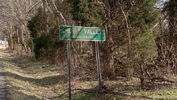
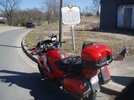
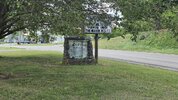
(C)herry Valley

Rode a little, avoiding some of the more fun roads to dodge downed trees and work crews. Still hit two road closures

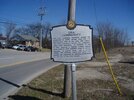
Wilson County Community
(Near Watertown)
This is a historic rural community located in the Ridge and Valley province of Middle Tennessee.
  • Location: Situated just south of Lebanon and near Watertown.
  • History: Platted in 1848, it formerly had a post office that operated from 1850 to 1904.
  • Services: Local services include Cherry Valley Family Care on Sparta Pike, which provides family medicine.
  • Real Estate: The area features larger lots and rural properties, with land for sale ranging from small residential lots to over 50 acres.


1770411765685.png

1770411823657.png
 
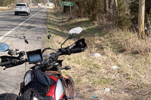
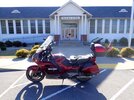
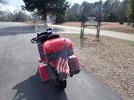
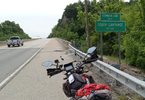
Denver (not the one in Colorado) for a D -
Denver.jpg

A bit of history -

According to Google this community does not exist so I must have imagined this picture ... ;)
However -

Denver--Gould Switch (There was a Doctor Gould who was one of the docs who treated Jesse James twins born in the county.)
Also known as Box Station--Box then Denver. The first white settler was Mose Box.
1771284141673.png
1771284158491.png
 
Last edited:
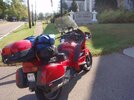
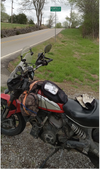
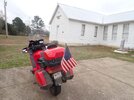
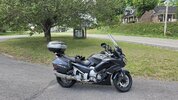
Fredonia For F -
Fredonia.jpg

A bit of history -

Fredonia, Tennessee, had its beginnings in the early 1800s as a stagecoach stop on the road between Clarksville and Nashville. Its name is derived from a post-1800 term meaning "place of freedom". There was a post office established there around 1827. The community became centered on the former Fredonia School which operated from 1926 until closing in 1964. The old school building was renovated and opened as the Fredonia Community Center in June 2020. The late Pat Summit, famous Lady Vols basketball coach grew up in Fredonia. She coached 1,098 career wins, the most in college basketball history at the time of her retirement. She served as the head coach of the University of Tennessee Lady Vols basketball team from 1974 to 2012 and is considered one of the greatest basketball coaches of all time.
 
Last edited:
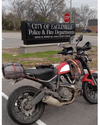
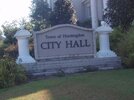
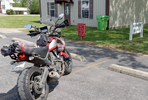
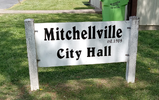
Huntingdon For H -
Huntingdon.jpg
Huntingdon City Hall Sign.jpg

A bit Of history -

The first settlements in Carroll County were made at McLemoresville and Buena Vista about the year 1820. The first settlers in the vicinity of Huntingdon were Samuel Ingram, John Crockett, James H. Gee, Wm. A. Thompson, Thomas Ross, John Gwin, Robert Murray and others. As the organization of the county took place almost immediately after the first settlements were made, every person hereinafter named in connection with the organization of the county and courts were early settlers. Large tracts of the most valuable lands of the county were entered by the location of North Carolina military land warrants, and owned by non‐residents. Mimucan Hunt & Co. held such warrants for twenty tracts of land, each containing 5,000 acres. These lands were all located west of the Tennessee River and largely in Carroll County. The Indians left the county about the time the settlers appeared. But the unbroken forest was then infested with bears, wolves, panthers, deer, wildcats, the smaller wild animals, and snakes. It is said that the reputation this country then had in North Carolina, was “fifty bushels of frogs to the acre, and snakes enough to fence the land.” The wild animals destroyed many of the domestic animals of the early settlers, but they were hunted and subdued until all of the more destructive ones have become extinct. The first courthouse, built in 1822, was a small log cabin, without a floor, erected where the present one now stands, and Nathan Nesbit, chairman of the court of pleas and quarter sessions, blazed his way through the forest from his residence, five miles east of Huntingdon, to the county seat, carrying with him his cross‐cut saw, with which he sawed the door out of the new court house, and entered therein and opened the first court held at Huntingdon, December 9, 1822. At this term the jurors of the court brought their provisions with them and camped out. The town of Huntingdon was surveyed and platted by James H. Gee, under the supervision of the commissioners appointed to lay out the town.
At the December term, 1823, the name of the county seat, which up to that time had been called Huntsville, was changed to Huntingdon. They were anxious to retain the first syllable, and thereupon James H. Gee, who was a musician as well as a surveyor, and who was fond of the old tune Huntingdon, suggested that name and it was adopted. There were 117 lots and the public square in the original plat of the town.
 
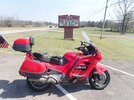
Juno For A J -
Juno.jpg

A lot of interesting history -

Juno, Tennessee is an unincorporated community in Henderson County founded around 1846. It was established shortly after the county was formed in 1821 from former Chickasaw lands after the 1818 Chickasaw cession. In the earlier days it was first called "Pinch". There are yet signs of old stores and old groceries with saloons in rear end of the building. In the early days saloons often were located without any grocery store. The name "Pinch" was applied because of an old "tight wad" who lived here and who would never buy a drink but would never fail to take one when the other fellow paid for it. He was always present when men went to drink. They winked and pinched each other in laughter to see the old "tight wad" ever ready to take a drink, but never ready to return one. When the post office was located here in 1847 (closed in 1957), the name "Juno" was applied. Juno and "Pinch" together had soon won a bad name, probably worse than it deserved. Travelers often sought a way around "Pinch", afraid to pass through it. Many drunken fights could be related because the people found all the whiskey they wanted and under its influence sought to find their enemy and to seek revenge. One very noted case that happened probably fifty years ago was a few miles south of here. Three men rode into the woods one Sunday in the spring of the year, all drinking. They were gambling men also. About noon two other men found where two of them had shot each other to death in a few feet of each other. Cards and whiskey were found. The horses were tied nearby. The third man called for an inquest. It was revealed that neither of the dead men had any money. So, the third man left the country very soon. Those dead men were buried at different graveyards the next day. The wagons carrying them to the cemeteries met in the road. Another interesting story of Juno is the story of Henry Armstrong, known by all the folks in the community as "Uncle Henry". Just who Henry Armstrong was, where he came from, and why he lived the life he did, is a mystery and will always be as he died with no explanation. Legends say he probably fought in the Civil War and at its end came to Juno and settled to spend the rest of his life in Henderson County. He made his home on the old Sheard Place, now the Frank Fesmire farm. Henry was a jolly, well-liked fellow, participating in community sport. But time passed and "Uncle Henry" grew old. Around the first of January 1892, Dr. A.L. Waller opened his door to find Henry standing shivering from the cold. A north wind was blowing and the ground was covered with snow and ice. Henry asked if he might come inside. The doctor readily agreed and Uncle Henry walked into the room. The doctor recognized immediately that the old man was seriously ill. As the doctor was busy with his practice, he requested that his wife take to help him. Mrs. Waller did all she could do, administrating medicines prescribed by her husband, but a few days later, he died. Several men who went to dress him for burial returned in disbelief. To the doctor and his wife they made a startling announcement. "Uncle Henry" was a woman, not a man as she had pretended to be for the past 30 years. Everyone who had known him was shocked. She had entered the community as a man, worn men's clothing, worked as a man, and not once had ever given the smallest clue to her true identity. She was buried in men's clothing at the old Sheard cemetery in an unmarked grave. Henry probably enlisted in the Confederate Army to be with a husband or lover, and after that person was killed, came to Juno in disguise. Dr. Waller, always puzzled by the identity of Henry, asked her a few days before her death if she would reveal her secrets. Henry refused. There are the ruins of old log cabins, the cemetery, the modern homes where folks live in a different world far apart from "Pinch" in the stagecoach days, saloons and the unexplained mystery of a woman who posed as Henry Armstrong for three decades.
 
Last edited:
Back
Top Bottom