I disagree. That maybe the case insofar as mechanically adjusted valves go but with a mechanical valve train the adjustment changes over time as parts wear. This is why regularly scheduled checks are called for and why re-adjustment is required. The most reliable way to keep valves in proper adjustment over the long term is with hydraulically adjusted valves. Wear to any of the parts in the valve train is automatically compensated for on a continual and on-going basis in real time resulting in the valves always being in proper adjustment without the need for any intervenention.
Manufacturers use mechanically adjusted valves for a host of reasons such as fewer parts (less cost to them), less complex engine design and manufacturing (less cost for them), less valve train weight which not only allows for higher RPM's but it also allows the engine to rev up faster, more horsepower, etc.. None of these are significant advantages on a sport-touring or touring motorcycle in my opinion. Most of these advantages would not even be noticed by most riders. If a person is seeking top tier sport-bike like performance, including the little extra oomph that mechanical valves might offer, they should not be expecting to find it in a sport-touring or touring motorcycle, they should be looking at a sport-bike.
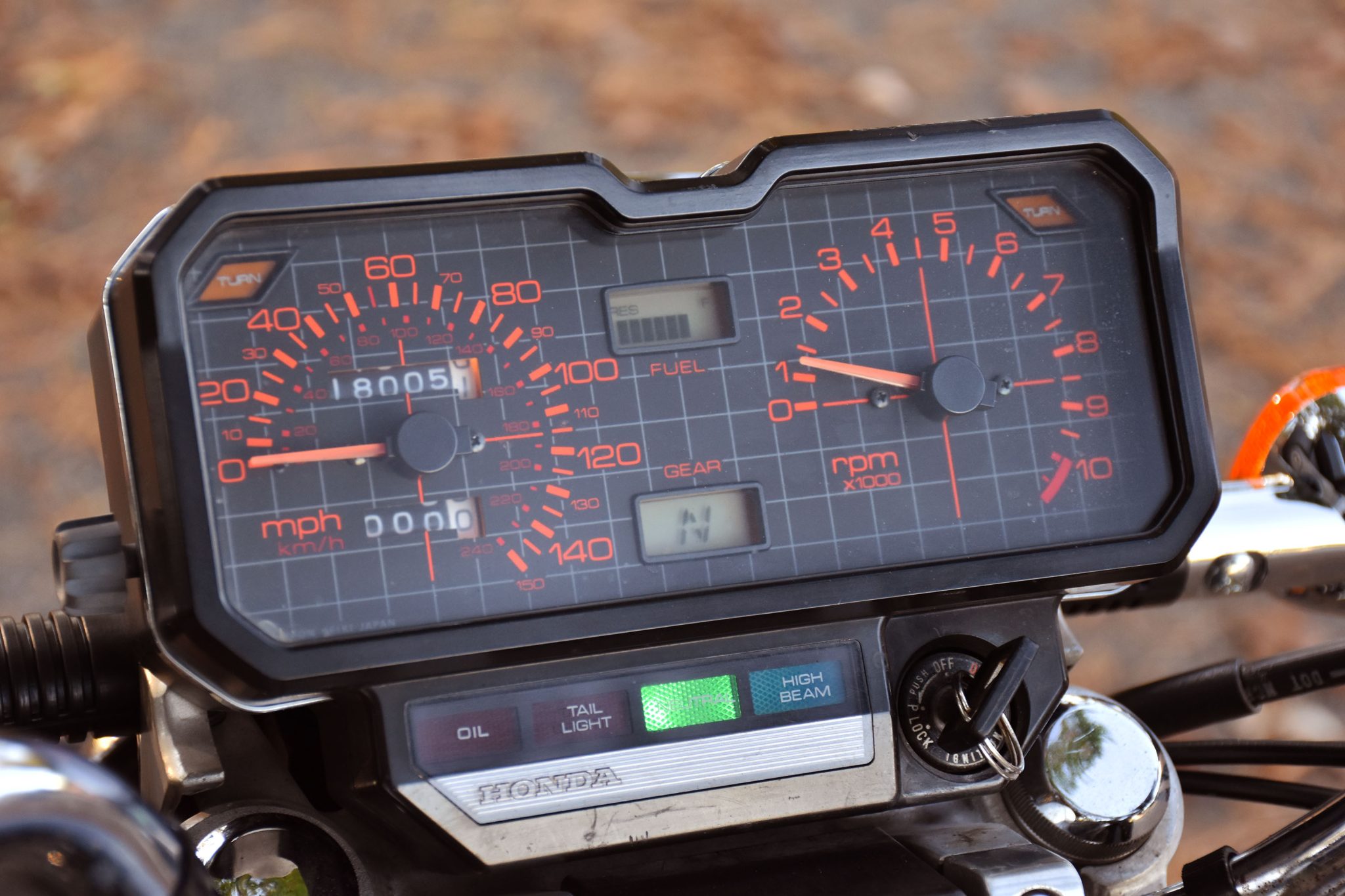
I would be more than happy to have hydraulically adjusted valves on my ST1300. I had hydraulically adjusted valves on my Honda Shadow 1100CC and I never had to touch the valves once in over 240,000 KM, 150,000 miles. I never even removed the valve covers during that whole time. That is a much more desireable advantage to me on a sport-touring or touring motorcycle that is intended for long distances.