Maybe it's just as well to buy originals on a 27 year old bike that has done over 100k on the originals … ?
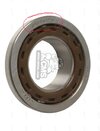
Always rode well with the OEM ball-type head bearings as intended by the designer...
There is a proper torque value given in the w/shop manual; races properly installed (fully seated), all greased up, apply 28Nm, swivel, retest 28Nm, put all back together and... GO RIDE! Simple as that...
With tapered bearings I often faced fitment issues...
wrong shim/washer packed, no seals included, not enough thread left on the steering stem, pin of the steering lock wouldn't engage anymore, etc... and there
no torque rates given...
So I just had a peek into the "Honda Common Motorcycle Service Manual" (always interesting read

):
-
loose ball bearing type (the ones where you have to glue each loose ball into the race with a dab of grease

):
tighten bearing adjustment nut to
15Nm/10ft-lb, then back off 1/8th turn, check free movement
-
retainer type bearings (the style used OEM in the ST1100 and most modern bikes):
tighten bearing adjustment nut to
25Nm*/18ft-lb*, swivel, recheck for
25Nm*/18ft-lb*
-
tapered bearing type:
tighten bearing adjustment nut to
11Nm/8ft-lb, swivel, recheck for
11Nm/18ft-lb
This should give a good baseline while installing; note that the actual figures might change with
model, always refer to the
specific manual!! (
*ST1100, retainer type: 28Nm/20ft-lb)
So obviously tapered bearings have a way higher breakaway torque, hence suggested preload on stem nut is not even half of the OEM value...

The spring scale load reading/check varies with the radius (distance between steering stem center and fork tube), so above preload divided by distance = desired measurement.
i.e. 15Nm/10ft-lb : 7.5cm/3inch -> should read 2kg/4.5lb on the spring scale.